How Long Does It Take to See Results with Neurographics? A Study of 1,405 Students
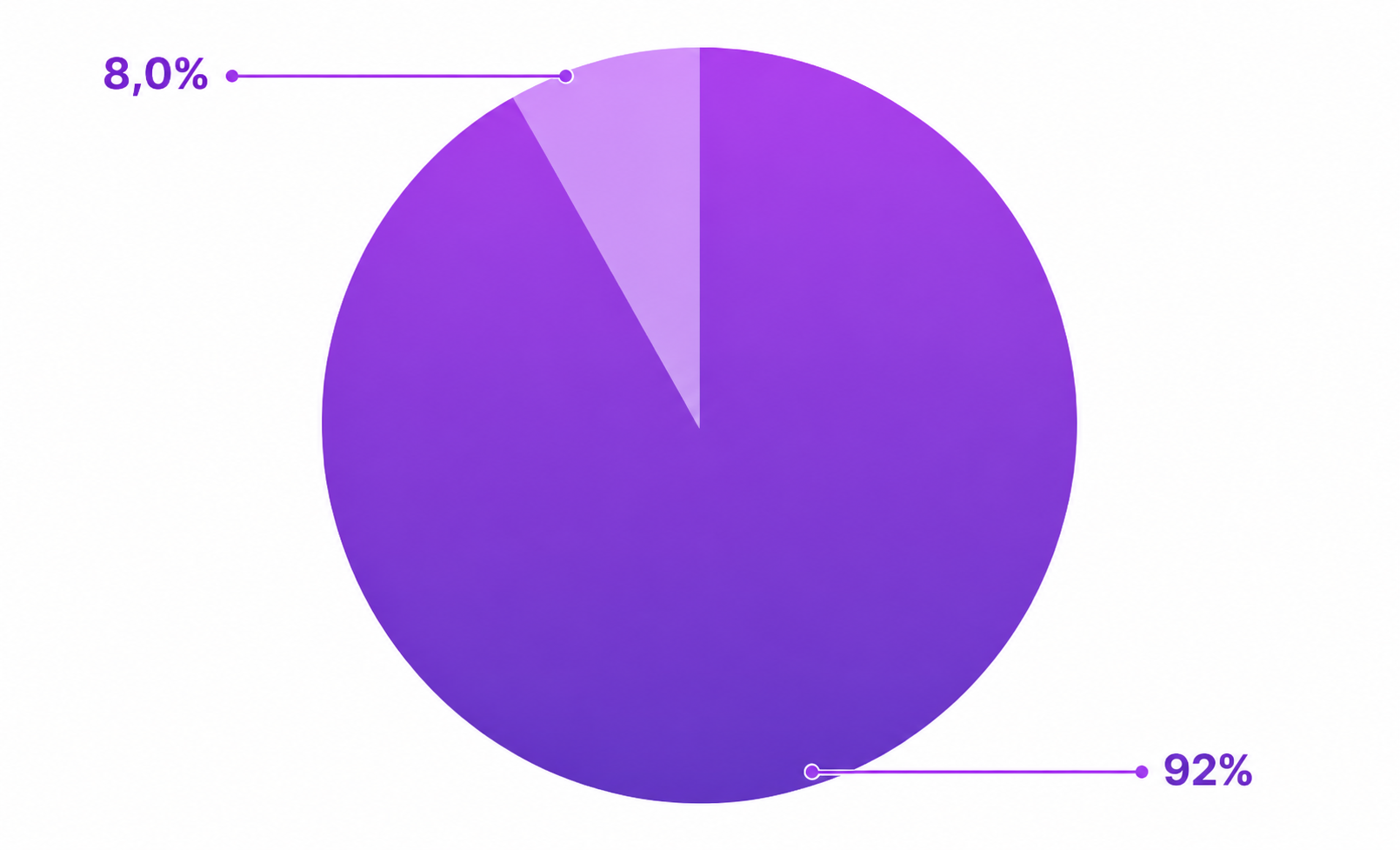
In a survey of 1,405 students who completed Mindful Line’s Neurographics Essentials course within the previous year, 92% reported noticeable shifts in their emotional state and the first positive results already during the course, with many experiencing deeper life changes in the following months.
Why We Ran This Survey (And Why We Decided to Share It)
In June 2023, we conducted an internal survey among students who had taken the Neurographics Essentials course within the past year.
Originally, this was just for us.
We wanted to understand:
- What people were going through before
- What actually changed after
- And how quickly those changes happened
The survey was sent to all eligible students.
1,405 people responded.And when we started reading their answers…
We didn’t expect what we found.
Patterns started repeating.
People who have been stuck for years…
describing movement, clarity, and change, often much sooner than expected.That’s when we decided:
this shouldn’t stay internal.What Were People Struggling With Before Neurographics?
Most participants weren’t dealing with surface-level problems – they were stuck in long-term emotional patterns.
Common themes included:
- Low self-esteem and self-doubt
- Anxiety, overthinking, emotional swings
- Feeling disconnected from themselves
- Relationship struggles or repeated patterns
- Financial stress or lack of direction
But beyond the specifics, there was a deeper feeling many described:
“I know something needs to change… but I don’t know how.”
How Long Had They Been Feeling This Way?
For many, these weren’t recent challenges — they had been present for years or even decades.
Participants shared:
- “Around 15 years”
- “Most of my life”
- “I never really questioned it before, it was just how things were”
This context matters.
Because when someone has been stuck for that long,
even small movement becomes significant.
What Changes Did Students Experience?
Students reported three main types of changes: internal, behavioral, and life-level.
And most importantly:
92% said they noticed a shift in their state and the first results already during the course itself.
1. Internal Changes (Where Everything Started)
These were the most consistent and foundational shifts.
Students reported:
- Increased self-respect and self-worth
- Feeling calmer and more emotionally stable
- Reduced anxiety and internal tension
- Greater clarity in decisions
- Less dependence on others’ opinions
Real examples from responses:
“I began to respect myself more and feel more confident in my choices.”
“I feel calmer and more balanced, even in situations that used to trigger me.”
“There is less chaos in my thoughts. I feel clearer.”
“I stopped constantly doubting myself.”
“I feel more connected to myself and my direction.”
2. Behavioral Changes (What Started to Shift Next)
As internal state changed, behavior followed naturally.
Students described:
- Speaking up and expressing themselves more freely
- Setting boundaries without guilt
- Taking action on things they had postponed
- Making decisions they had avoided for years
- Feeling more consistent and grounded in daily life
Examples from the survey:
“I stopped over-explaining myself and trying to please everyone.”
“I finally took steps toward my dream I had been postponing for years.”
“I became more decisive and less afraid of making the wrong choice.”
“I act with more confidence and less hesitation.”
3. Life Changes (What Followed Over Time)
For many participants, internal and behavioral shifts translated into real-life outcomes.
These included:
- Entering or improving relationships
- Career changes or new opportunities
- Financial improvements
- Discovering purpose or direction
- Major life transitions
Quotes from survey participants:
“I changed my place of residence, paid off debts, and my life changed completely.”
“I got married, and my relationship feels harmonious.”
“I found work that actually feels meaningful to me.”
“I sold my old house and moved into a new one.”
“I bought an apartment without taking out a loan.”
“I finally had the long-awaited baby I had wanted for 10 years.”
How Fast Did These Changes Happen?
Many participants reported noticing internal changes quickly, often during the course, and deeper results within months.

A pattern appeared across responses:
- Internal shift (calm, clarity, confidence)
- Behavioral change (actions, decisions)
- External results (life outcomes)
Even among those who had felt stuck for years.
Why It Matters
These findings are based on the personal experiences shared by 1,405 Mindful Line students. While this was not a clinical study, the patterns across the responses were remarkably consistent and hard to ignore:
many people had been stuck with the same goals, emotions, or life situations for years, and after beginning neurographics practice, they reported movement within months, often starting during the course itself.
Most approaches to change focus on discipline, habits, and external strategies. Neurographics offers a different starting point. It is not only about feeling calmer in the moment. It is a method designed to help people interrupt old patterns, create new neural pathways, and approach life from a different internal and behavioral blueprint.
That may help explain why so many participants described not only emotional relief, but also visible changes in relationships, work, finances, and major life decisions.
What this survey suggests is that neurographics helps people move forward faster by interrupting old mental and emotional patterns and supporting the formation of new neural pathways.
FAQ

What is the Neurographics Essentials course?
Neurographics Essentials is Mindful Line’s foundational course that teaches the core neurographics algorithms, so you can draw effectively on any area of your life from stress, confidence, and relationships to money, direction, and personal growth. It helps you release tension, work through limiting beliefs, create new neural pathways, and gain more clarity, momentum, and inner stability.
Do you need artistic skills for neurographics?
No. You do not need artistic skills to practice neurographics. You can begin even if you have never drawn before. All you need to start is a marker and a piece of paper. The focus is not on artistic talent, but on the structured process and the inner shifts the method can support.
Can neurographics help with emotional well-being?
Yes. Participants frequently reported reduced anxiety, increased clarity, and improved emotional balance.
What to Do Next
If it resonated with you, there are two good next steps.
1. Start with the Neurographics Essentials Course
If you want to experience the method for yourself, this is the best place to begin. The course gives you the foundations of neurographics step by step, so you can use it safely, clearly, and with confidence.
2. Read How Neurographics Works
Want to understand the method more deeply before you begin? This article explains how neurographics works, why internal state matters, and how drawing can become a tool for emotional change and new decisions.