Neurographics vs Art Therapy: What’s the Difference?
Neurographics and art therapy are both creative approaches that use drawing to support emotional well-being. Because of this, neurographics can be seen as a form of art-based therapeutic practice.
At the same time, they differ in structure, purpose, and the type of results they are designed to support. Understanding these differences can help you choose the approach that best fits your needs.
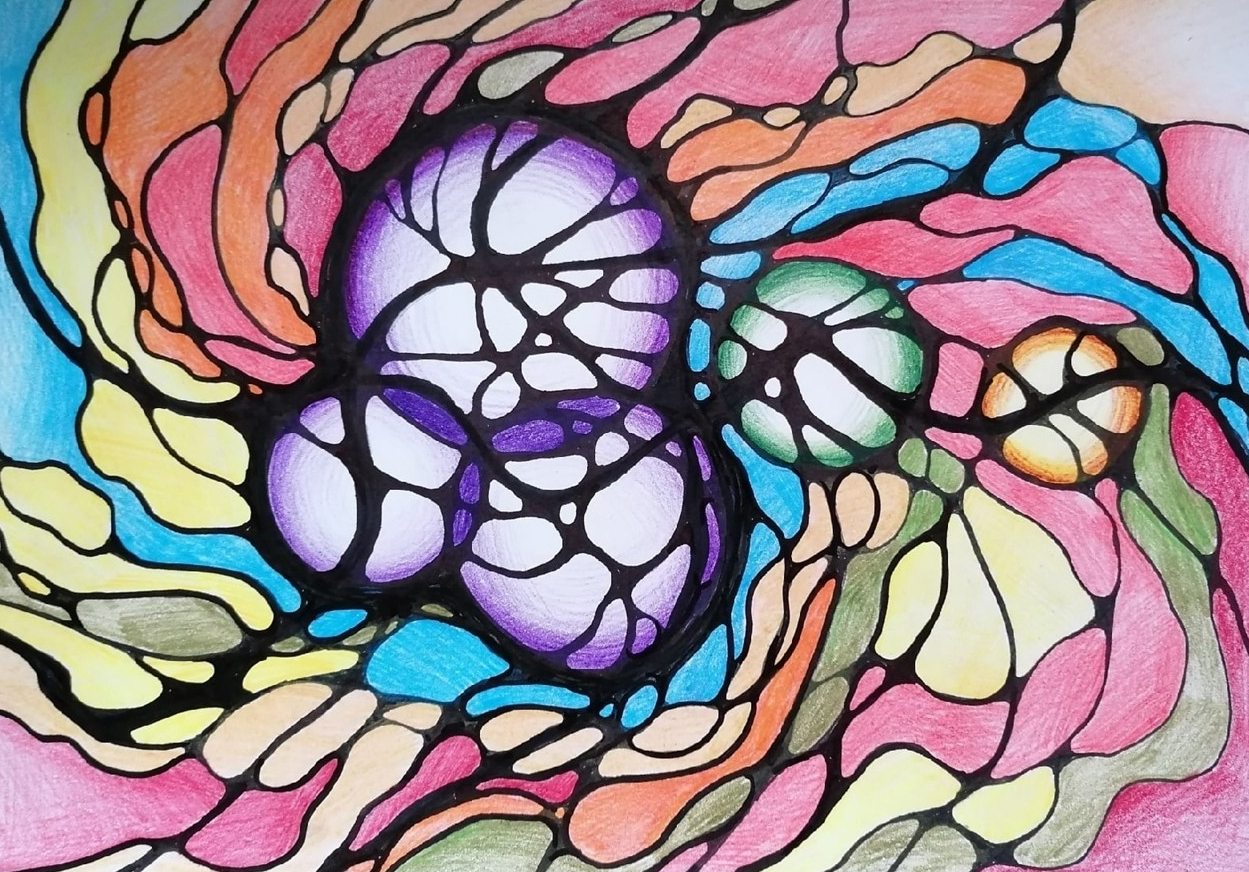
Mindful Line neurographics drawing example
What is neurographics?
Neurographics is a structured drawing method that helps transform emotional patterns and form new neural pathways through guided visual practice.
It combines elements of psychology, neuroscience, and creative expression to support emotional regulation, stress relief, and clearer thinking. Instead of focusing on artistic results, neurographics uses simple lines and shapes to work with thoughts, emotions, and internal patterns.
At Mindful Line, this method is taught through guided sessions, courses, and regular drawing practice led by trained instructors.
What is art therapy?
Art therapy is a broad therapeutic approach that uses creative expression to help people explore emotions, process experiences, and improve psychological well-being.
It is often guided by a trained therapist and focuses on emotional expression rather than artistic skill. Drawing, painting, and other forms of art are used as tools to access feelings, reduce stress, and gain insight.
Because art therapy includes many different methods, some practices within it may feel similar to neurographics.
Is neurographics a form of art therapy?
Neurographics can be considered a form of art-based therapeutic practice, as it uses drawing to support emotional processing and self-exploration.
However, it is also a distinct method with its own structured approach. Not all art therapy follows the same process or is designed to work with patterns in a directed way.
Neurographics stands out because it uses a clear sequence of steps intended to guide attention and support the formation of new neural pathways.
Key differences between neurographics and art therapy
While both approaches involve drawing and can help reduce stress, they differ in how the process works and what it is designed to achieve.
1. Structure of the Process
Neurographics follows a clear, structured sequence of steps, including drawing lines, rounding intersections, adding shapes, and integrating the composition.
Art therapy is typically more open-ended. The focus is on free expression, and the process is not always guided by a fixed structure.
2. Focus and Intention
Neurographics is often used to work through specific challenges, shift perspectives, and create changes in thinking and behavior.
Art therapy focuses more on emotional expression, exploration, and relaxation.
3. Role of Patterns and the Brain
Neurographics is based on the idea of neuroplasticity – the brain’s ability to form new neural pathways through repeated experiences and focused attention.
Through structured drawing, the practice is designed to help reorganize emotional responses and support new ways of thinking.
Art therapy may also support emotional change, but it is not typically structured around consciously working with neural patterns.
4. Type of Results
Neurographics is often used not only for emotional relief, but also for achieving clarity, improving decision-making, and working toward personal goals.
Art therapy is more focused on emotional release, self-expression, and gaining insight into feelings and experiences.
When to choose neurographics
Neurographics may be a good fit if you:
- want a structured process you can follow step by step
- feel stuck in the same emotional reactions, beliefs, or patterns
- want to calm anxiety or reduce stress in a more active, hands-on way
- find it hard to express emotions with words
- are looking for clarity in decisions, goals, or life direction
- want to combine emotional healing with personal growth and meaningful change
How to start with neurographics
If you are curious to try neurographics, the easiest way to begin is through a guided session.
At Mindful Line, trained instructors lead structured neurographics practices that help participants follow the method step by step and experience how it works in real time.
You can start with a beginner-friendly course like Neurographics Essentials, or join the Mindful Line Club, where participants practice regularly and build a consistent routine over time.
Frequently asked questions

Do you need artistic skills for neurographics?
No. You do not need artistic skills to practice Neurographics. You can begin even if you have never drawn before. All you need to start is a marker and a piece of paper. The focus is not on artistic talent, but on the structured process and the inner shifts the method can support.
What is the Neurographics Essentials course?
Neurographics Essentials is Mindful Line’s foundational course that teaches the core Neurographics algorithms, so you can draw effectively on any area of your life from stress, confidence, and relationships to money, direction, and personal growth. It helps you release tension, work through limiting beliefs, create new neural pathways, and gain more clarity, momentum, and inner stability.
Can neurographics help with emotional well-being?
Yes. Participants frequently reported reduced anxiety, increased clarity, and improved emotional balance.